

Waste Management, Secondary Material
Supporting the SDGs Goals
SDGs
Goal 11:
Goal 12:
Goal 14:
Goal and Performance Highlights
Performance Highlights 2025


Challenges and Opportunities
Commitment and Goals
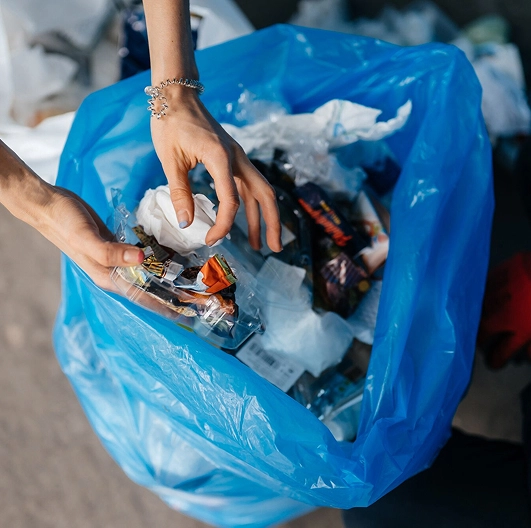
The Company recognizes responsibility for managing waste and secondary materials generated from store operations, customers, and employees. A systematic and legally compliant waste management approach is implemented to prevent adverse impacts on society and the environment. Clear policies and guidelines have been established, covering waste reduction at the source, proper waste segregation, appropriate disposal methods, and the promotion of efficient resource utilization in alignment with the Circular Economy concept.
The Company aims to continuously reduce waste and secondary materials generated from operations, including campaigns to minimize the use of plastic bags and single-use packaging in order to mitigate long-term environmental impacts.

Management Approach and Value Creation
Management Guidelines
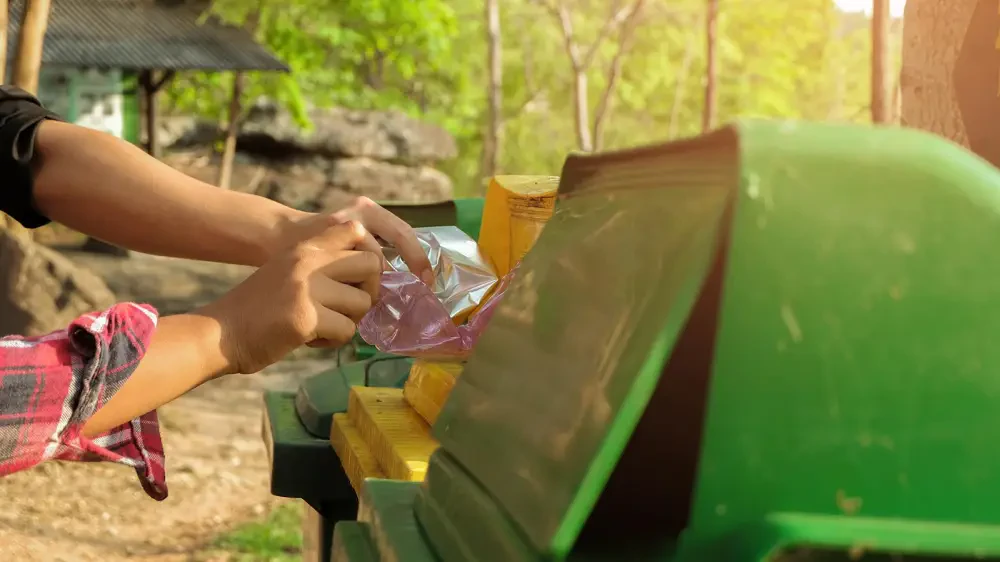
The Company systematically manages waste and food waste by emphasizing waste segregation at the source and appropriate handling by category to enhance resource efficiency and reduce the volume of waste sent for final disposal.
Since 2022, the Company has continuously organized campaigns and training sessions for employees on waste segregation to build awareness, knowledge, and a strong sense of responsibility toward effective waste and waste management.
In addition, the Company has applied technology to improve waste management by developing an application to collect and monitor waste generation data from each store, including waste management methods. The data is used for analysis, process improvement, and to support systematic decision-making in waste management.
Waste is segregated into three main categories:
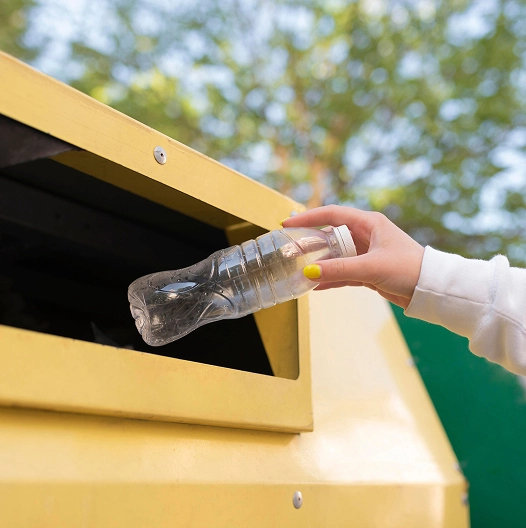
- Recyclable waste: such as plastic bottles and glass bottles. The Company sells these materials to local recyclers through an annual bidding process.
- General waste: such as plastic bags, plastic cups, straws, and foam containers. The Company ensures proper segregation and designated storage areas before handing over the waste to local municipalities for sanitary disposal in compliance with relevant laws and regulations.
- Organic waste (food waste): such as food scraps from employee canteens. This waste is separated and made available to employees who wish to use it for animal feed or for producing organic compost.
Performance for 2025
| Quantity of waste | tons |
|---|---|
| Quantity of Recycled waste | 79 |
| Quantity of landfill waste | 365 |
| Quantity of food scraps | 197 |
| Quantity of total waste | 641 |