| Renewable Energy System (Solar Roof / Solar Cell) |
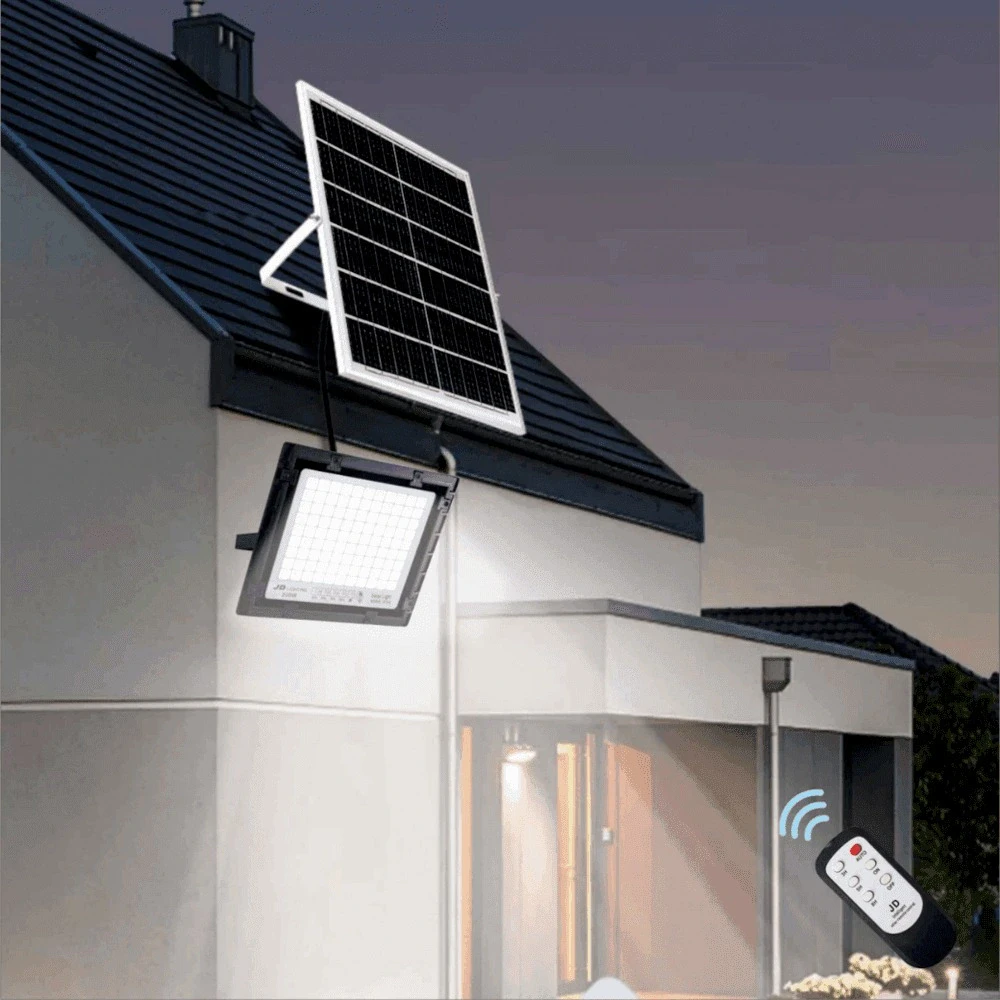
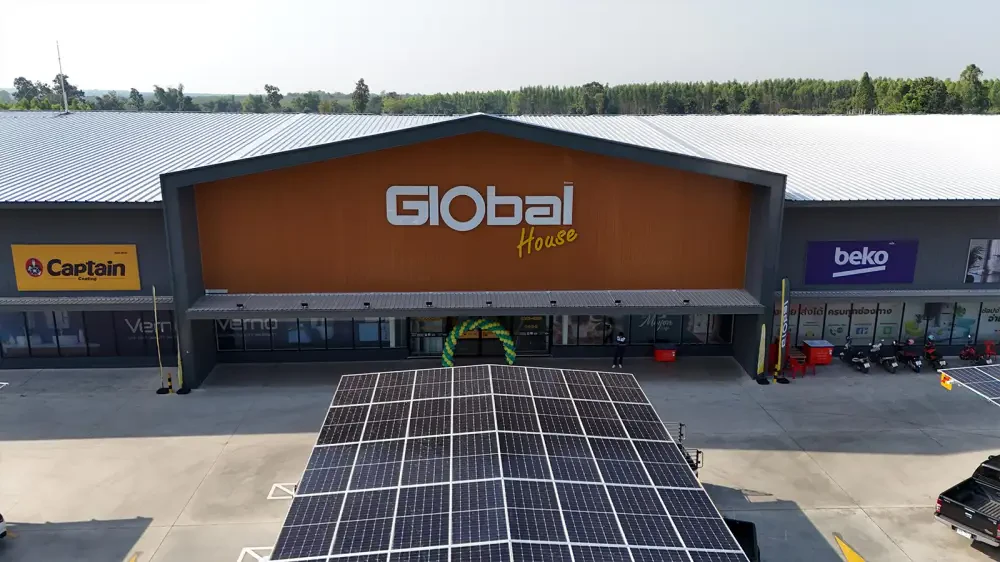
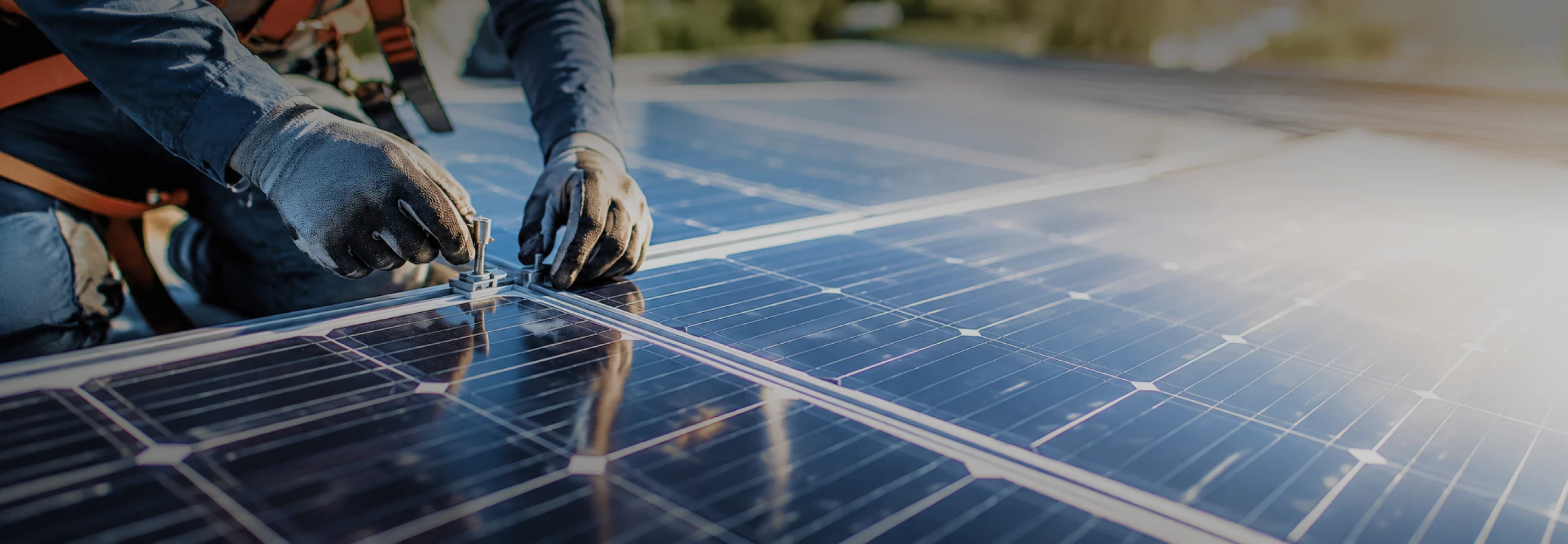
- Conduct electrical measurement and performance testing.
- Inspect physical conditions and clean solar panels and related system components.
|
- To maintain grid stability, maximize renewable energy generation capacity, and ensure compliance with equipment safety standards.
|
Daily / Monthly |
| Backup Power System |
- Inspect and maintain emergency standby generators.
|
- To ensure operational safety during emergencies and maintain business continuity.
|
Weekly |
| Facility Thermal Monitoring |
- Inspect and detect hotspots or thermal risks within the store building.
|
- To prevent hazards arising from system/equipment failure and mitigate energy loss.
|
Daily |
| Air Conditioning System |
- Maintain air filters, cooling coils, and heat rejection systems (AHU, CDU, Cooling Tower, Chiller), and strictly inspect for refrigerant leaks and electric motor conditions.
|
- To optimize cooling efficiency, minimize energy waste, control indoor air quality (IAQ) for safety and cleanliness, and maintain indoor temperatures in alignment with environmental standards.
|
Monthly |
| Ventilation System |
- Inspect, maintain, and clean industrial fans (Big Fans), and assess indoor air circulation pathways.
|
- To enhance fresh air circulation, prevent the accumulation of heat, dust particulates, and odors, and enforce structural safety standards of equipment to support employee and customer wellbeing.
|
Monthly |
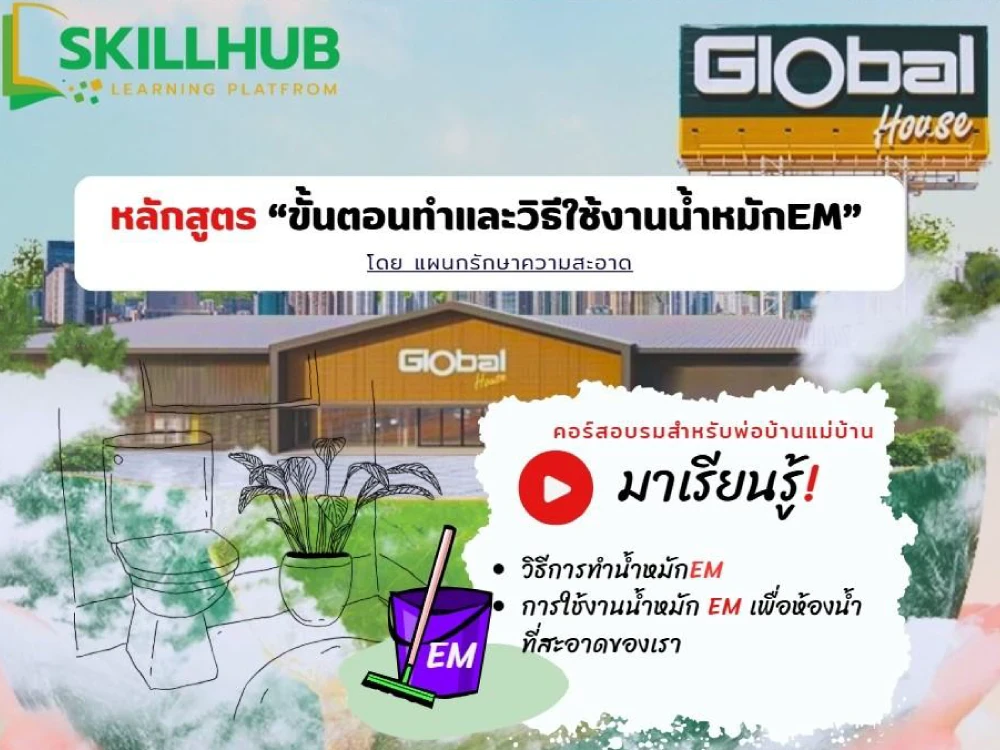
| Sanitary & Wastewater Treatment System |
- Inspect operational status and apply anti-rust treatment to wastewater system equipment.
- Examine drainage and sewage pipe networks.
- Perform cleaning, maintenance, and regular effluent quality testing post-treatment.
|
- To maintain wastewater treatment system efficiency and minimize unnecessary water and energy consumption.
- To minimize wastewater discharge into public grids by reclaiming compliant treated water (Circular Water) for landscape irrigation and maintaining green spaces within the branch.
|
Monthly |
| Waste Segregation |
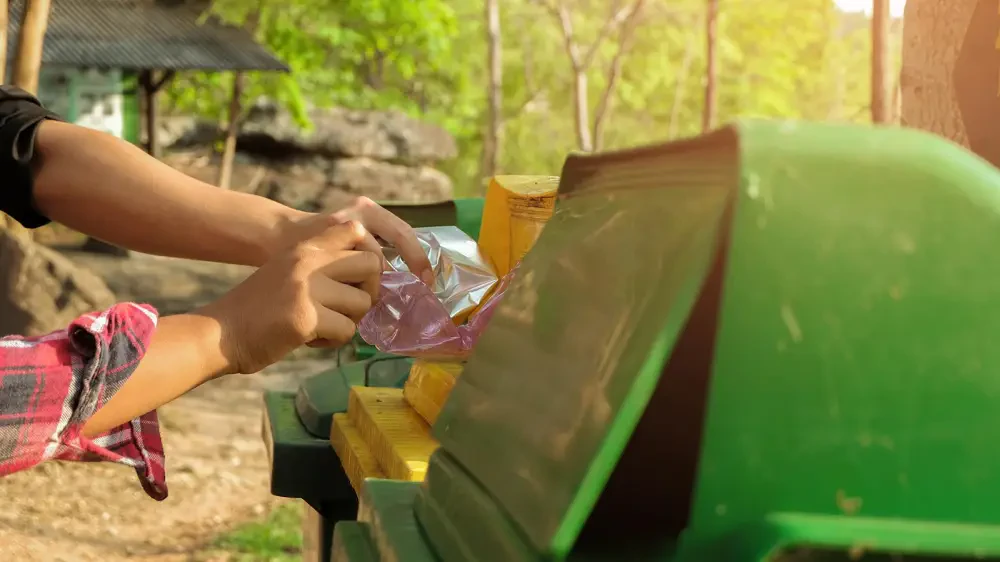
- Segregate waste at source into distinct categories: organic/food waste, general waste, and recyclable waste, ensuring proper downstream disposal and processing.
|
- To drive the Zero Waste to Landfill target by maximizing the recovery of recyclable and organic waste, mitigate greenhouse gas (GHG) emissions from landfills, and maintain strict hygiene and safety standards within store premises.
|
Daily |
| Fire Protection & Emergency Systems |
- Inspect physical conditions, verify pressure gauge metrics, and conduct operational testing of fire pumps, fire hose cabinets, fire extinguishers, and emergency lighting systems.
|
- To ensure 100% emergency readiness and reliability of firefighting and emergency illumination equipment, in compliance with fire safety standards and building control regulations.
|
Monthly |
| Machinery & Fleet Management |
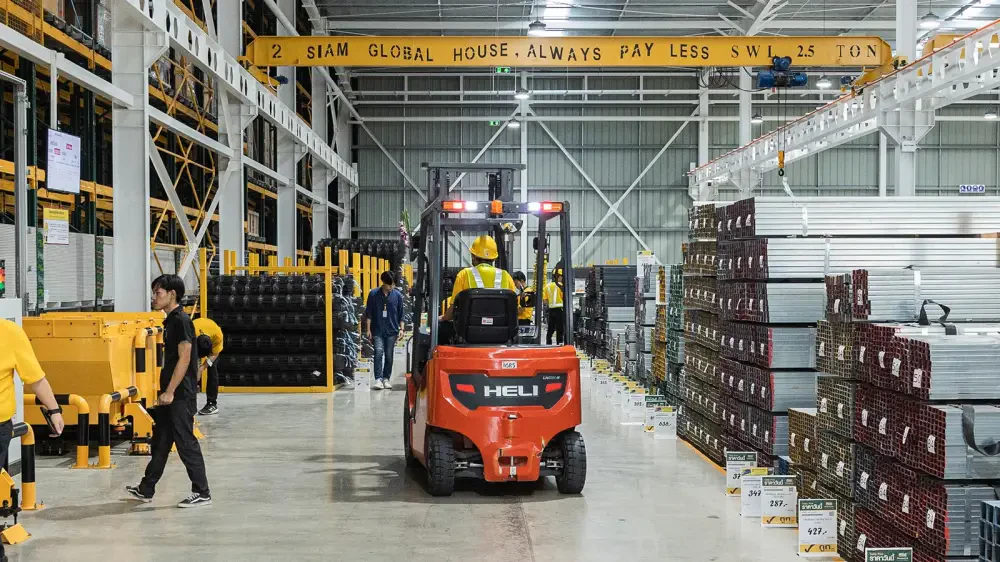
- Inspect operational conditions and perform preventive maintenance on overhead cranes, delivery vehicles, and forklifts.
|
- To optimize machinery and fleet efficiency, reduce fuel and electricity consumption, mitigate air pollution/exhaust emissions, and ensure maximum occupational safety during logistics and material handling operations.
|
Daily / Monthly |
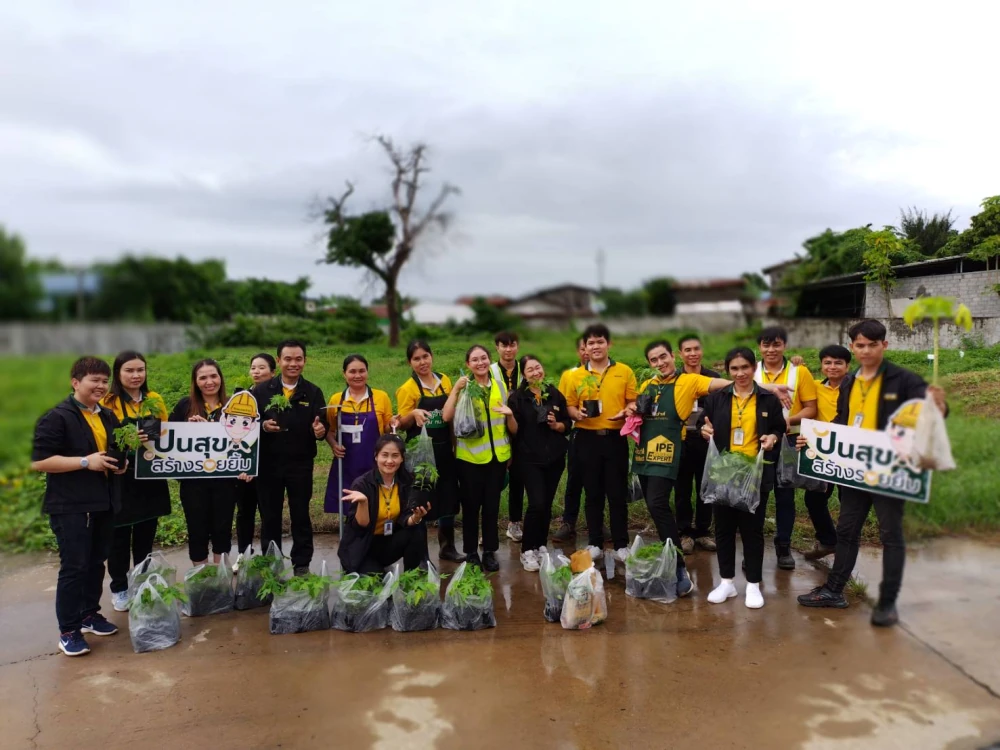
| Green Spaces & Landscape |
- Maintain green spaces and manage the surrounding outdoor environment to ensure a healthy, flourishing, and well-organized landscape.
|
- To promote urban biodiversity and local ecosystems around the building, utilize plants as carbon sinks to absorb greenhouse gases, filter ambient air dust, and create a visually appealing, biophilic environment that fosters wellbeing for customers and employees.
|
Daily |


 1. Energy Management
 2. Indoor Air Quality & Environmental Management
  3. Water & Wastewater Management
 4. Waste & Material Management
 5. Machinery & Equipment Safety Management
 6. Ecosystem & Green Spaces